Our Approach
Our approach is built around putting people first. We are committed to delivering excellent, person-centred support that promotes independence, choice and meaningful participation in everyday life.
We combine proven approaches, skilled staff and ongoing collaboration with individuals, families and professionals to ensure the best possible outcomes for the people we support.
Person-Centred Care
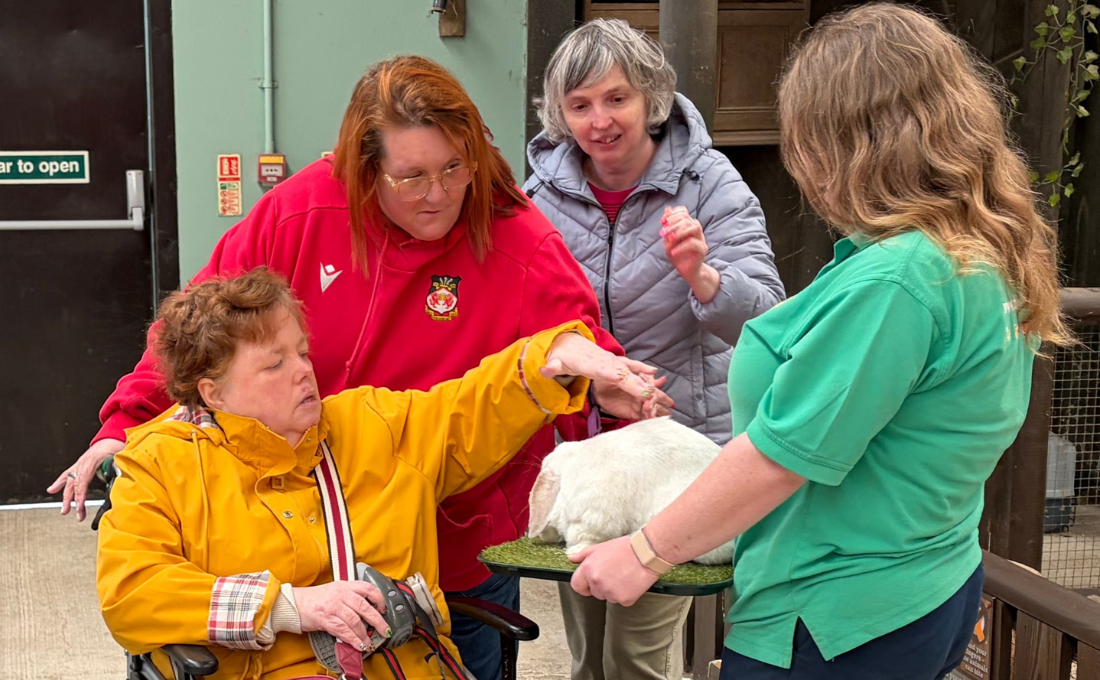
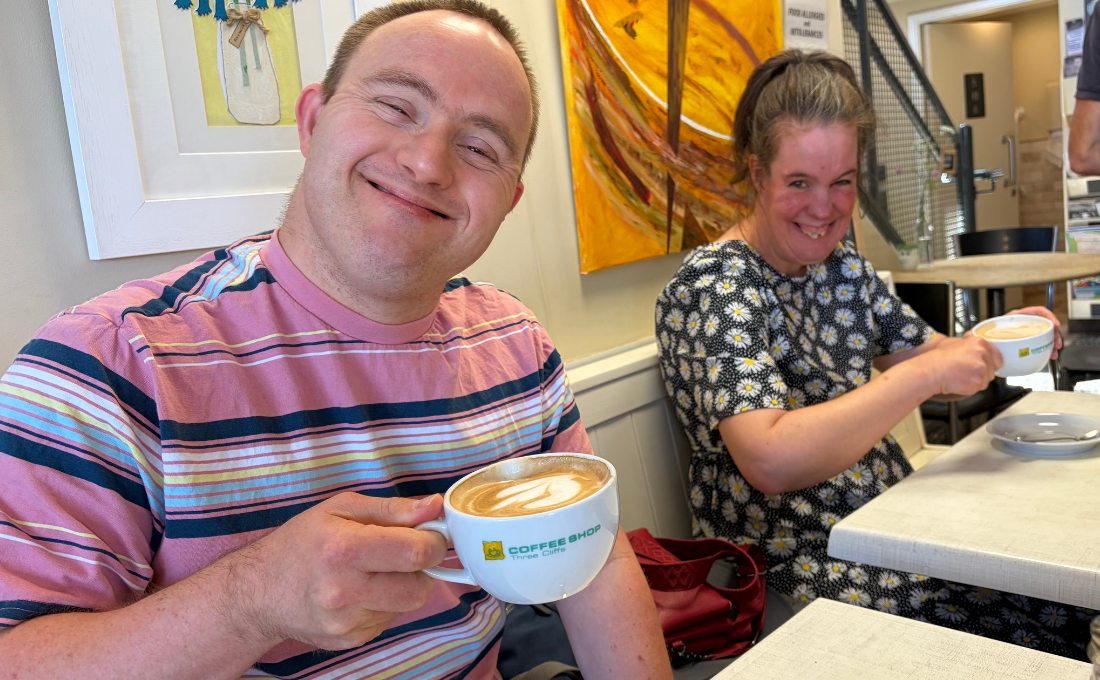
We place the individual at the heart of everything we do. Our support is tailored to each person’s unique needs, preferences, goals and aspirations, ensuring that care is meaningful, respectful and focused on what matters most to them.
Every individual receives an initial assessment, which forms the foundation of their support. From this, we work in partnership with the individual, their family and relevant professionals to develop support plans, risk assessments and personal goals. Together, these form the individual’s Personal Plan, which guides how support is delivered.
Personal Plans are reviewed every three months, bringing together everyone important to the individual. These reviews provide an opportunity to:
- Reflect on how well the support is working
- Identify anything that could be improved
- Review progress towards existing goals
- Agree new goals and aspirations
This continuous and collaborative process ensures that support remains responsive, effective and truly centred around the individual.
Co-Production
We believe the best outcomes are achieved when people are actively involved in shaping their own support and the services they receive. Through co-production, we work in partnership with individuals, their families and professionals to ensure every voice is valued, heard and acted upon.
People we support are involved at every level of decision-making, from their own daily support to influencing how our organisation develops and improves.
We provide a range of opportunities for people to share their views and shape our services, including:
- ‘What We Think’ Survey – Individuals are invited to complete our survey, giving them the opportunity to share feedback on their experience and highlight areas for improvement.
- Locality ‘Change Meetings’ – Our services are organised into locality areas, each holding monthly meetings where people we support can discuss what is working well, raise concerns and suggest changes within their local service.
- Involvement in Personal Support – Individuals, along with those important to them, are actively involved in the planning, delivery and review of their support, ensuring it reflects their needs and preferences.
- Tenants Lives Meetings – Quarterly meetings bring together tenants nominated from each locality to discuss key topics, share experiences and contribute to organisational development and future planning.
- Relatives Forum – Families and relatives are invited to attend quarterly forums where they can share feedback, raise ideas and contribute to the ongoing development of our services.
Through these opportunities, we promote a culture of openness, collaboration and continuous improvement.
Inclusive Communication
We place the individual at the heart of everything we do. Our support is tailored to each person’s unique needs, preferences, goals and aspirations, ensuring that care is meaningful, respectful and focused on what matters most to them.
Every individual receives an initial assessment, which forms the foundation of their support. From this, we work in partnership with the individual, their family and relevant professionals to develop support plans, risk assessments and personal goals. Together, these form the individual’s Personal Plan, which guides how support is delivered.
Personal Plans are reviewed every three months, bringing together everyone important to the individual. These reviews provide an opportunity to:
- Reflect on how well the support is working
- Identify anything that could be improved
- Review progress towards existing goals
- Agree new goals and aspirations
This continuous and collaborative process ensures that support remains responsive, effective and truly centred around the individual.
Positive Behaviour Support (PBS)
Our Positive Behaviour Support (PBS) approach focuses on understanding the reasons behind behaviours and providing proactive, compassionate support. We recognise that behaviours are a form of communication and work closely with individuals to identify triggers, unmet needs and the most effective ways to support them.
All of our operational staff receive comprehensive PBS training, including classroom-based learning, PBM (Positive Behaviour Management) eLearning, theory and practical sessions. This ensures staff have the skills and confidence to respond in a safe, consistent and positive way.
For individuals who present with behaviours that may challenge, we develop personalised behaviour support plans in partnership with the individual and, where appropriate, their families and professionals. These plans focus on proactive strategies, reducing triggers and promoting positive alternatives.
Behaviour support plans are reviewed annually with the individual, ensuring they remain relevant, effective and reflective of their current needs and progress.
Through our PBS approach, we aim to:
- Improve quality of life and overall wellbeing
- Promote understanding and reduce distress
- Encourage positive, meaningful engagement
- Minimise the use of restrictive practices
Active Support
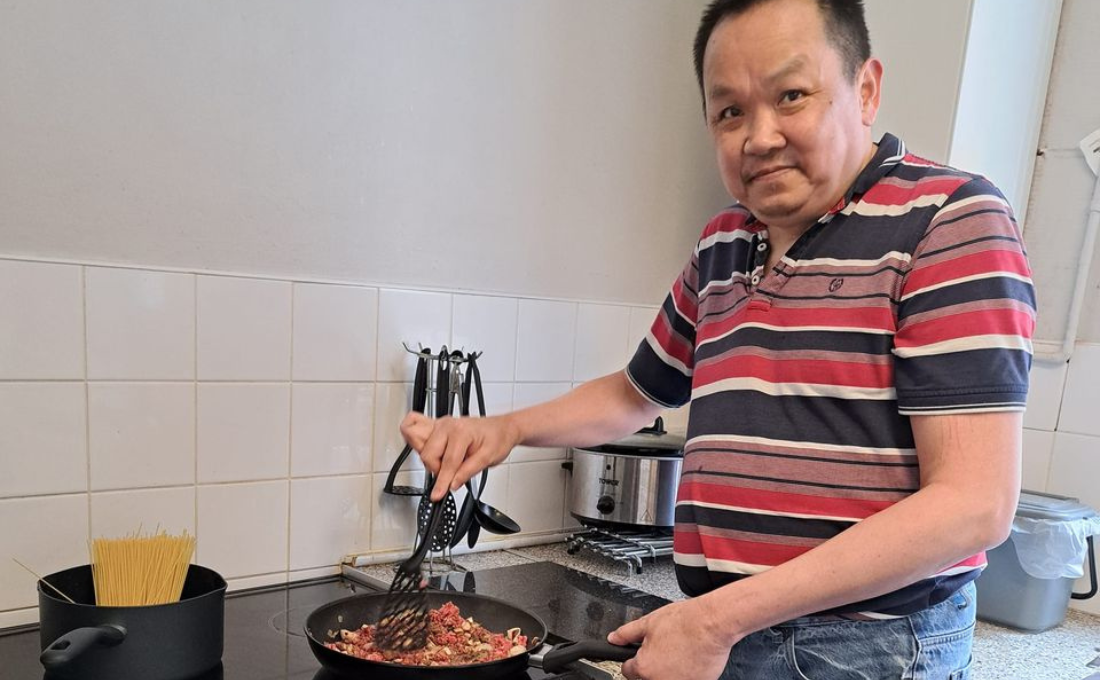
We use Active Support to enable individuals to take an active role in their everyday lives, promoting independence, confidence and meaningful engagement. Our approach focuses on working with people rather than doing things for them.
All of our staff complete Active Support classroom training, equipping them with the skills and understanding needed to provide the right level of support at the right time.
Active Support is embedded into daily practice across all of our services. Staff use practical techniques such as breaking tasks into manageable steps, offering appropriate prompts and encouragement, and recognising progress at every stage.
This approach supports individuals to:
- Take part in everyday activities such as cooking, cleaning and shopping
- Develop and maintain practical life skills
- Build confidence and self-esteem
- Increase independence and choice
- Experience a sense of achievement and inclusion
By focusing on participation and ability, we enable individuals to lead more fulfilling and independent lives.
Assistive Technology
We use assistive technology to enhance independence, safety and overall quality of life. Our approach focuses on identifying the right solutions to support each individual’s needs, helping them to have greater control over their daily lives and environment.
Assistive technology is included as part of our Active Support classroom training, ensuring staff understand how to use technology effectively to promote independence and meaningful participation.
Technology can range from simple tools to more advanced solutions, including:
- Devices that support communication
- Technology that promotes safety and wellbeing
- Tools that support daily routines and independence
- Equipment that enables individuals to access their environment more easily
We work closely with individuals, families and professionals to identify the most suitable options. Assistive technology is personalised, integrated into Personal Plans, and regularly reviewed to ensure it continues to meet the individual’s needs.
Through this approach, we aim to:
- Increase independence and choice
- Improve safety and reassurance
- Support communication and engagement
- Enhance confidence in everyday life
By combining technology with skilled, person-centred support, we empower individuals to live more independently and confidently.
Safeguarding
Safeguarding is central to everything we do, ensuring that the people we support are safe, protected and able to live free from harm, abuse and neglect. We are committed to promoting a culture where safeguarding is everyone’s responsibility and concerns are identified and acted upon promptly.
All of our staff complete classroom-based safeguarding training, giving them the knowledge and confidence to recognise and respond to any concerns. Our Operational Managers complete additional safeguarding training specifically designed for their role, and they also have the opportunity to attend safeguarding training delivered by the local authority to further strengthen their knowledge and practice.
Our safeguarding training aligns with Social Care Wales standards, ensuring our approach reflects current guidance, legislation and best practice.
We have clear, robust processes in place for recording and reporting safeguarding concerns, both internally and to external agencies where required. This ensures that all concerns are managed consistently, transparently and in line with safeguarding procedures.
Safeguarding is embedded within our day-to-day practice and is a standing agenda item in every team meeting, providing regular opportunities for discussion, learning and reflection. This helps to ensure that safeguarding remains a continuous priority across all of our services.
Through this approach, we aim to create safe, supportive environments where individuals feel protected, respected and confident that their wellbeing is always our priority.